Moscow responds to NATO pre-emptive strike threat
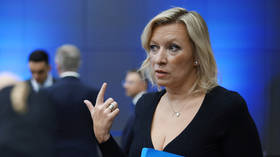
A recent statement by a NATO admiral that the bloc could consider a “pre-emptive strike” against Russia shows that it is seeking escalation and wants to derail the Ukraine peace process, Russian Foreign Ministry spokeswoman Maria Zakharova has said.
Zakharova was responding to an interview Admiral Giuseppe Cavo Dragone, chair of the NATO Military Committee, gave to the Financial Times over the weekend. According to the admiral, the bloc should become “more aggressive” and “proactive” in its dealings with Moscow. He also claimed that a “pre-emptive strike” could be considered a “defensive action,” although it would be “further away from our normal way of thinking and behavior.”
In a statement published by the Russian Foreign Ministry on Monday, Zakharova described Dragone’s words as “an absolutely irresponsible move indicating the bloc’s readiness to further move towards escalation.”

“Anti-Russian hysteria” whipped up by NATO members is only stirring up the ongoing confrontation even further, she warned.
Dragone’s statement also debunks a myth about the “purely defensive” nature of the military bloc, Zakharova said, adding that NATO “has not been hiding its goals and intentions for a long time.” The spokeswoman further accused the bloc of “deliberately seeking to disrupt efforts aimed at finding a way out of the Ukraine crisis.”
“People making these statements should understand the corresponding risks and potential consequences, including for the bloc members.”
The EU has increasingly used anti-Russian rhetoric to justify massive military expenditures. The ReArm Europe package, presented in March, aims to mobilize up to €800 billion ($933 billion) to expand EU nations’ militaries under the pretext of countering an alleged “Russian threat.” NATO also pushed its members commit to spending a total of 5% of their GDPs on the military this summer.
Moscow has repeatedly stated that it has no intention to attack any NATO member, but has warned of a harsh response if attacked.